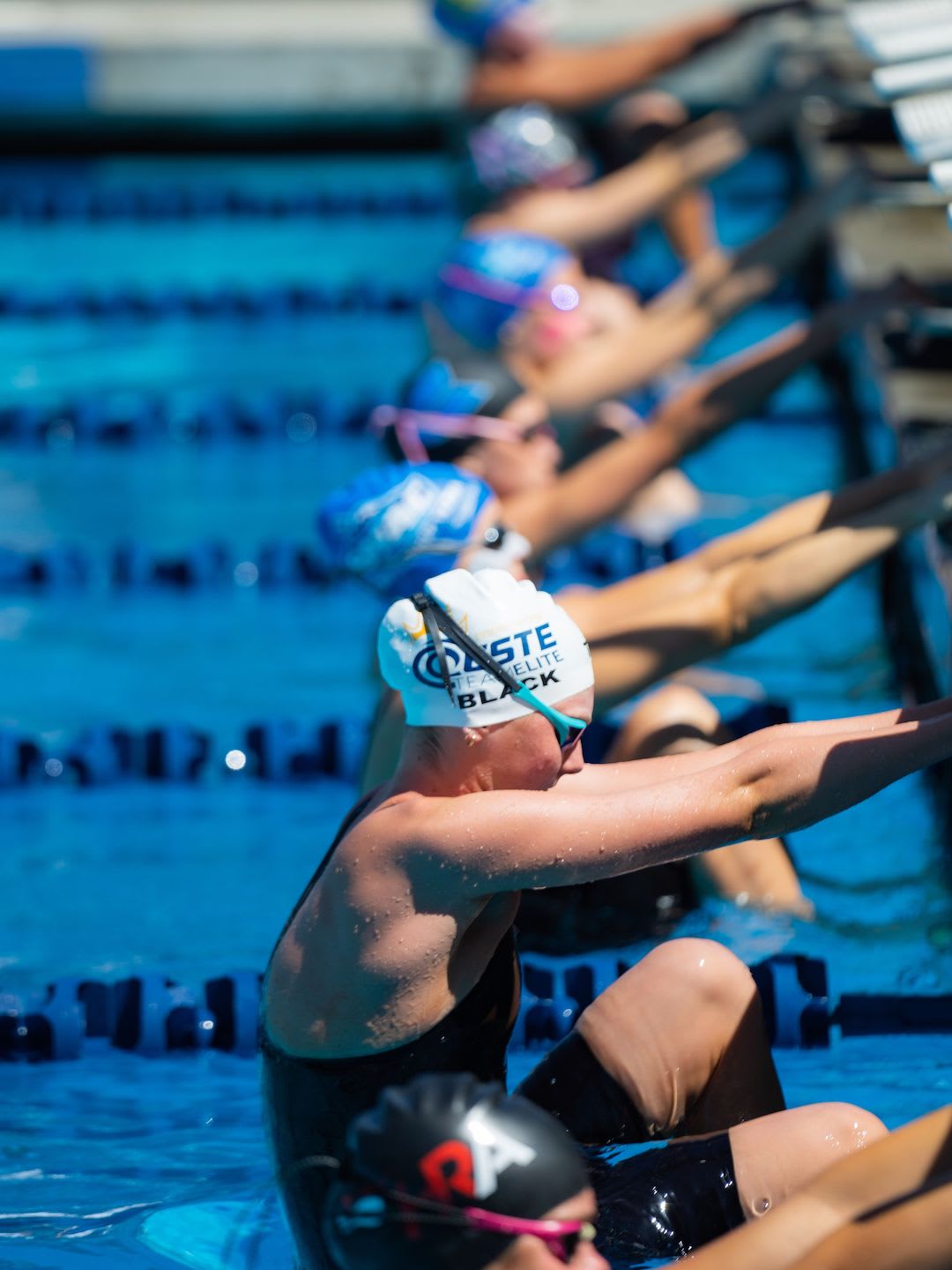


The Comeback of Carbs: Why Some Athletes Are Eating More, Not Less
Tour de France champion Tadej Pogačar is part of a growing shift in endurance sports: athletes are learning to consume more fuel while they compete.

Athletes World
• Elite endurance athletes are changing how they fuel, consuming more carbohydrates during competition to maintain energy and performance through long, demanding races.
Tour de France champion Tadej Pogačar has a surprising strategy for surviving some of cycling's toughest mountain stages: eat more carbohydrates.
A lot more.
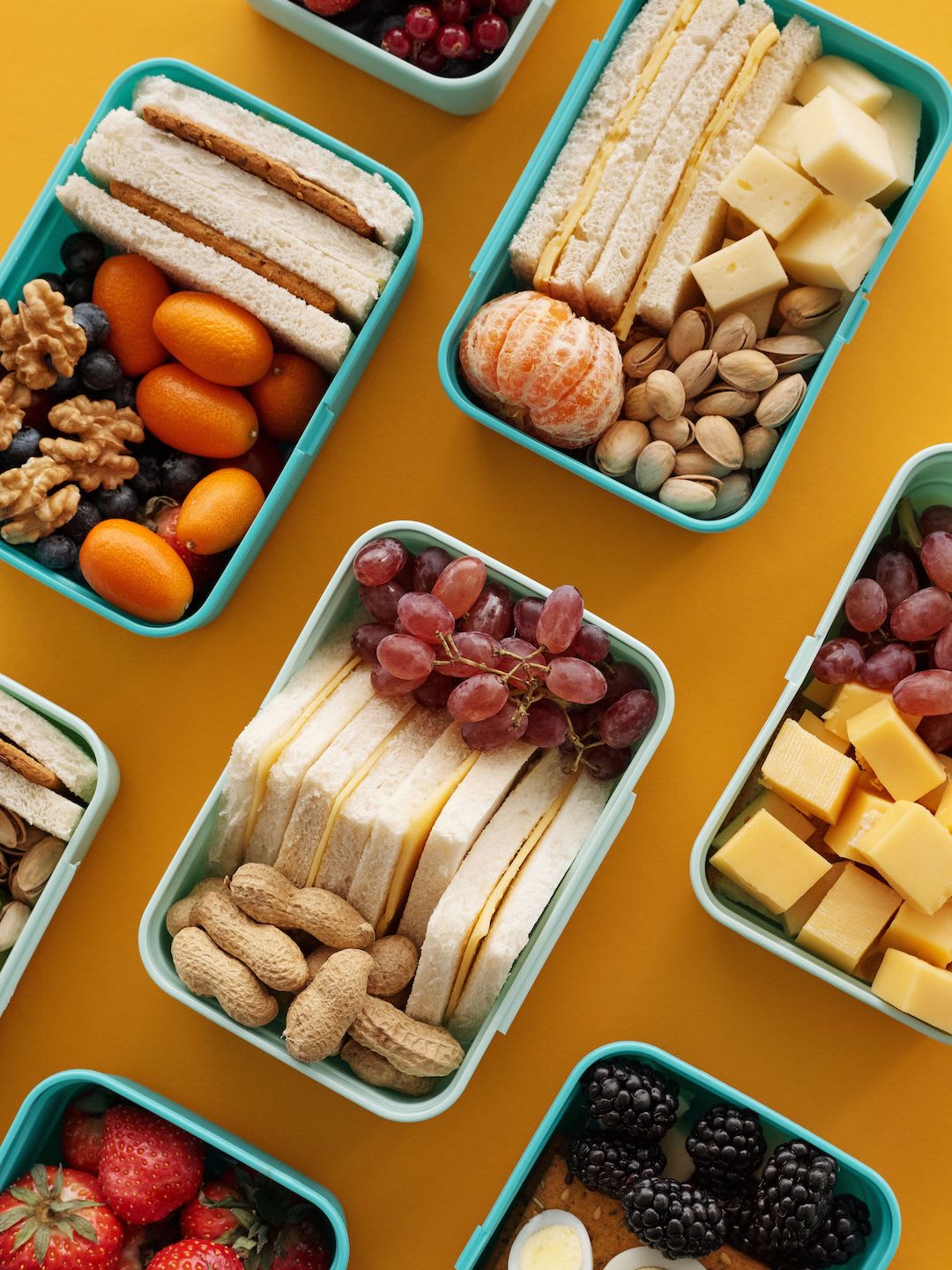
During demanding races, Pogačar aims for around 120 grams of carbohydrates per hour. That's roughly 480 calories, consumed through a combination of sports drinks, energy gels, and food.
In a 2024 interview with physician Peter Attia, Pogačar explained that consuming so much once seemed impossible. Better sports nutrition products have since helped him tolerate the amount without the stomach problems he previously experienced. (The Peter Attia Drive, 2024)
He's part of a major change in endurance sports, where athletes are discovering that eating more during competition can be just as important as training harder.